Media Bestiary
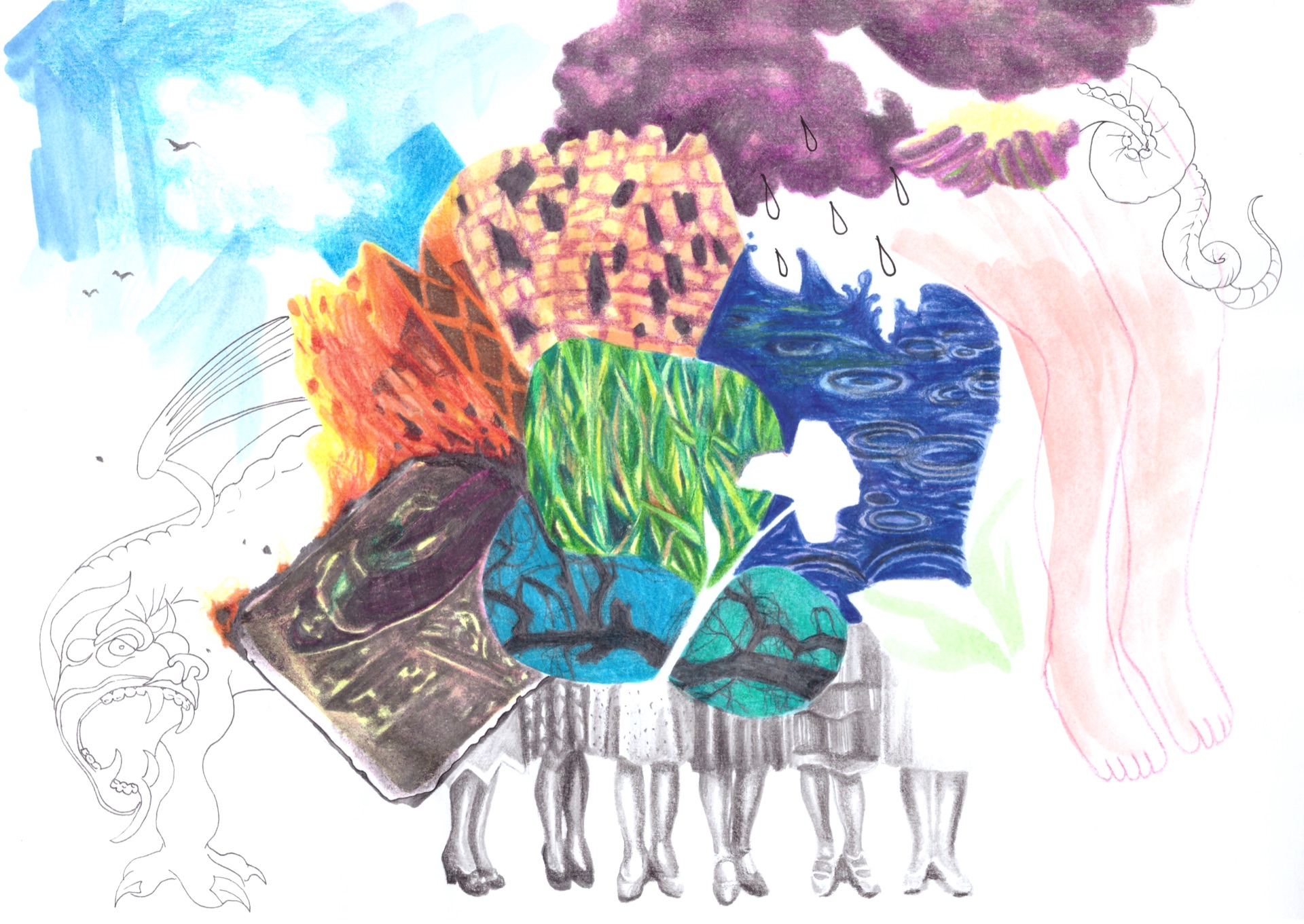
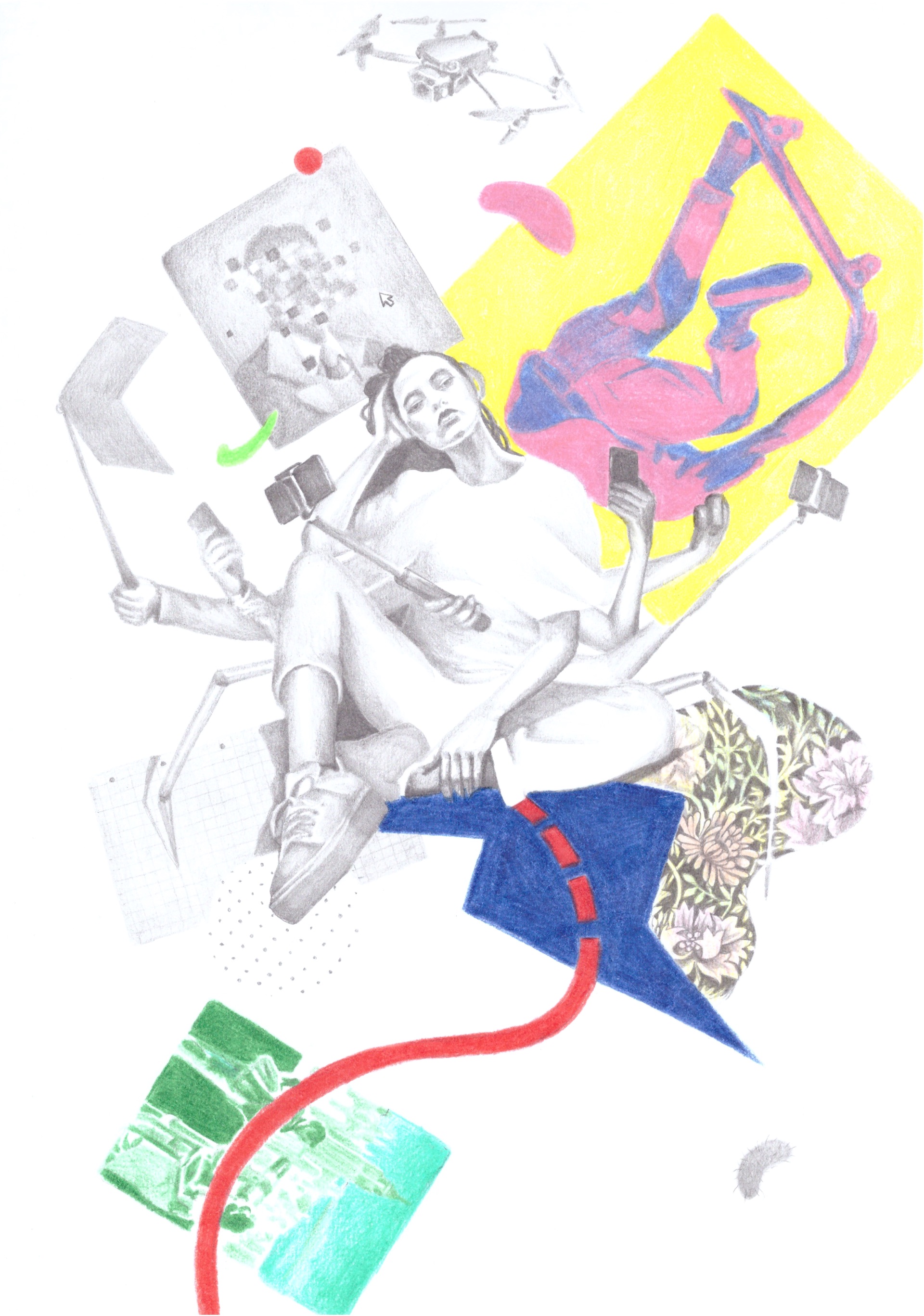
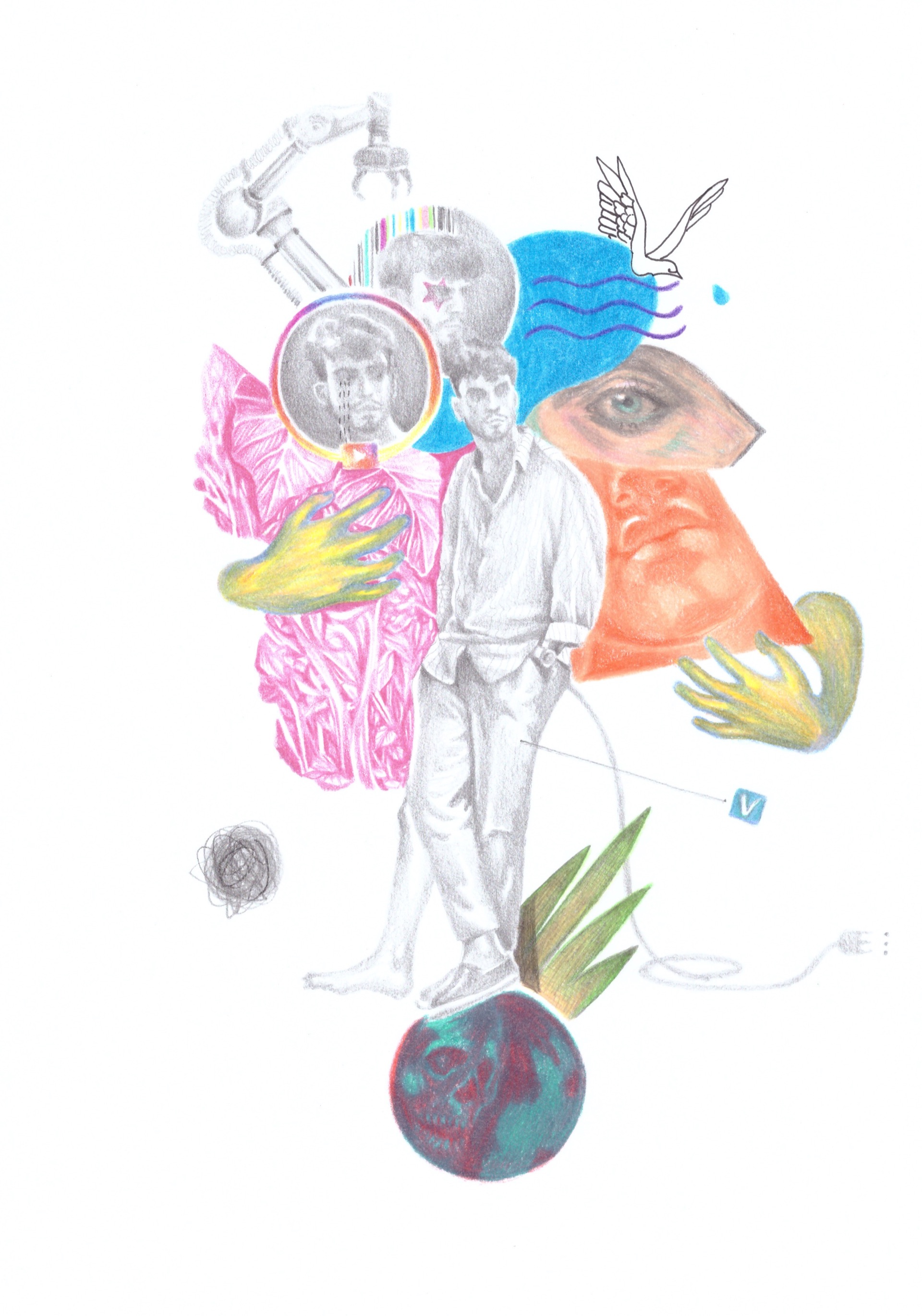
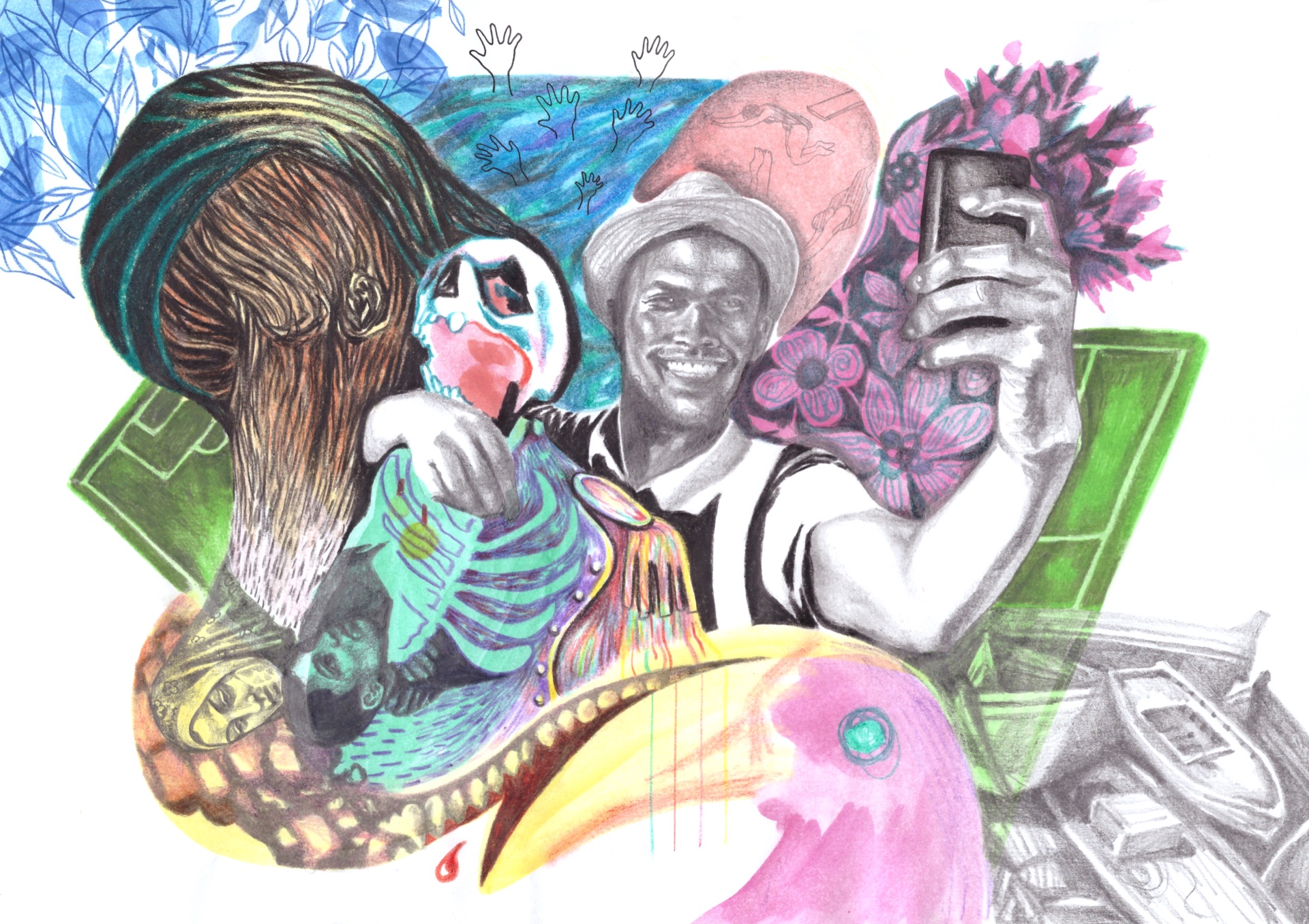
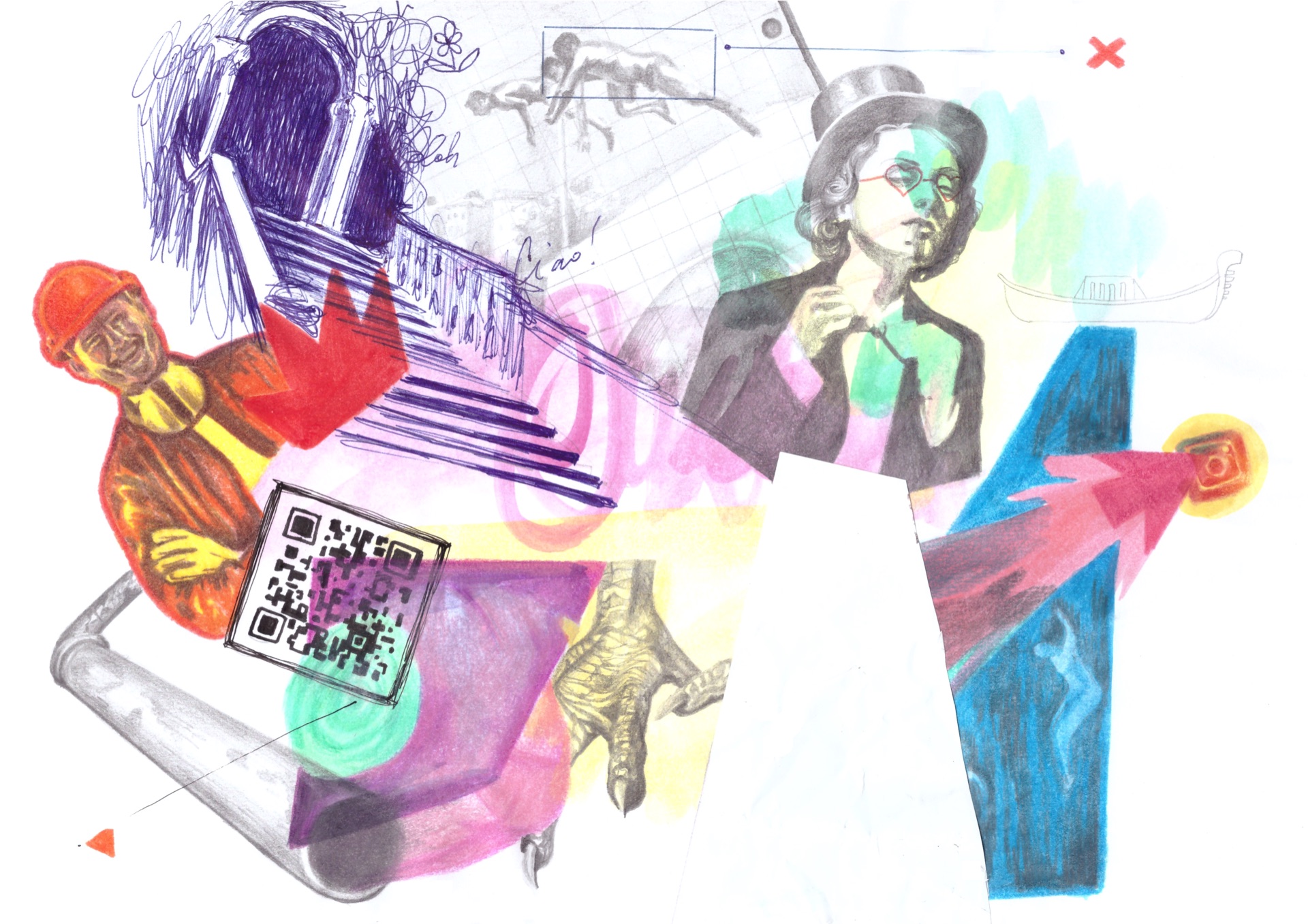
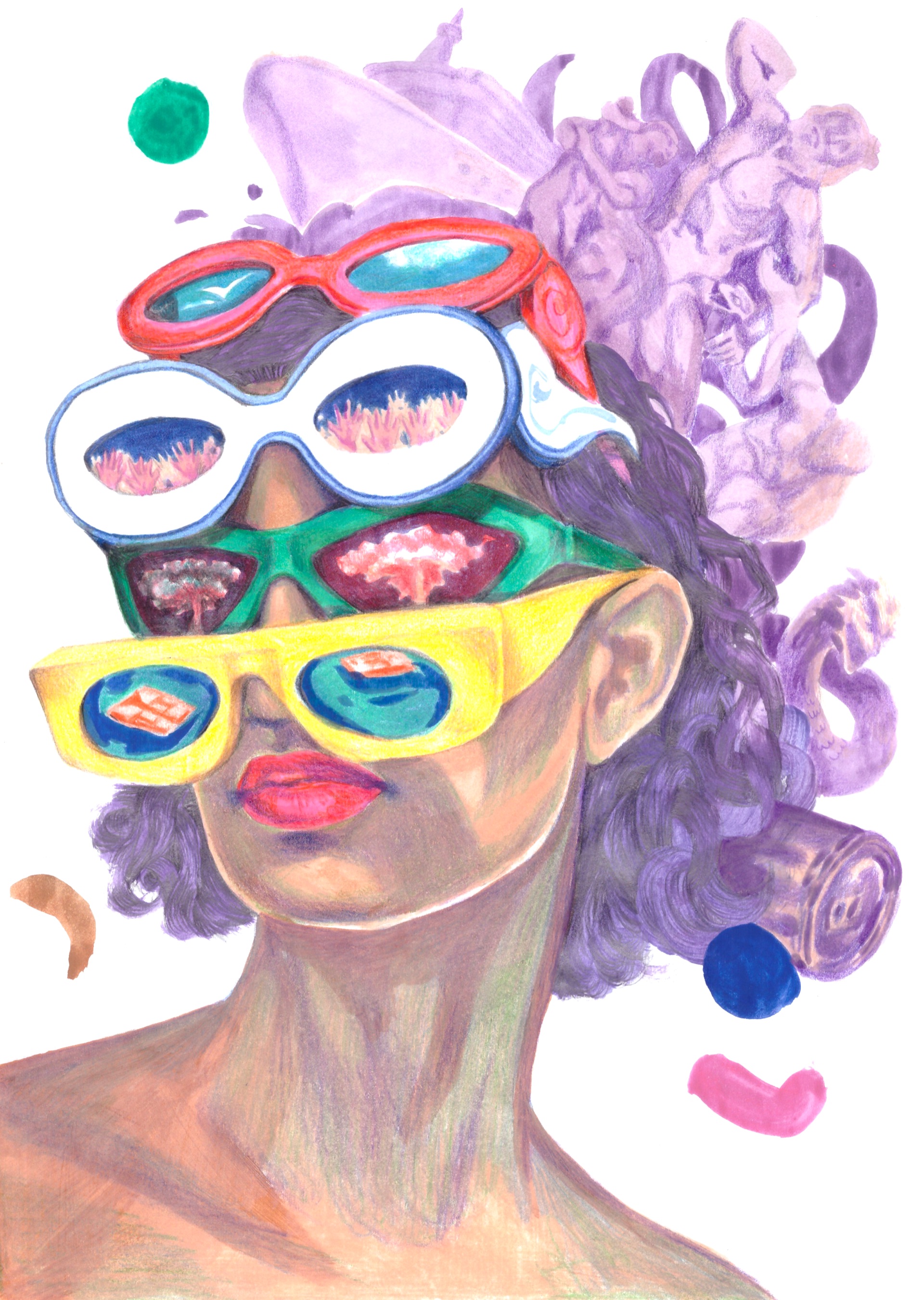
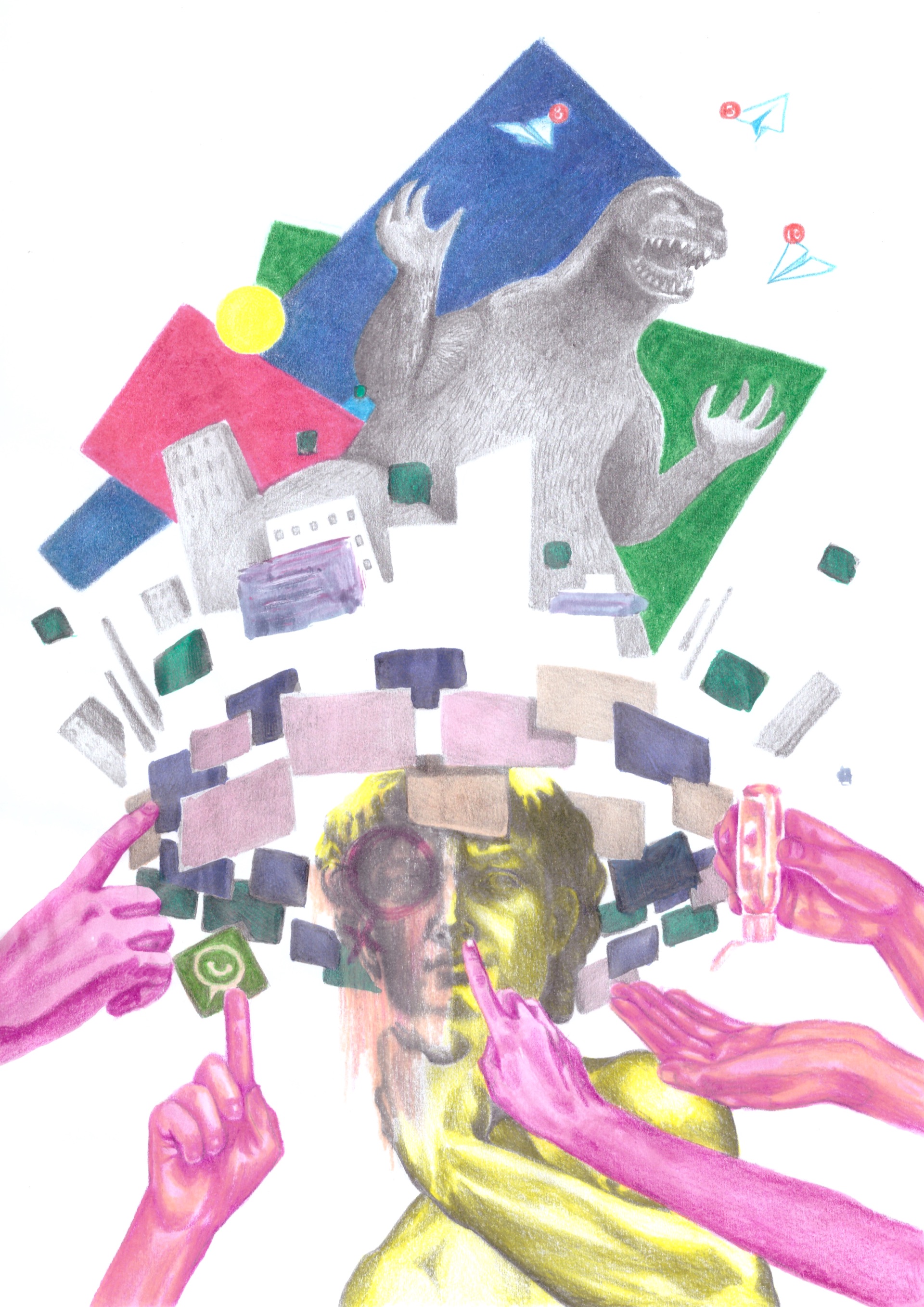
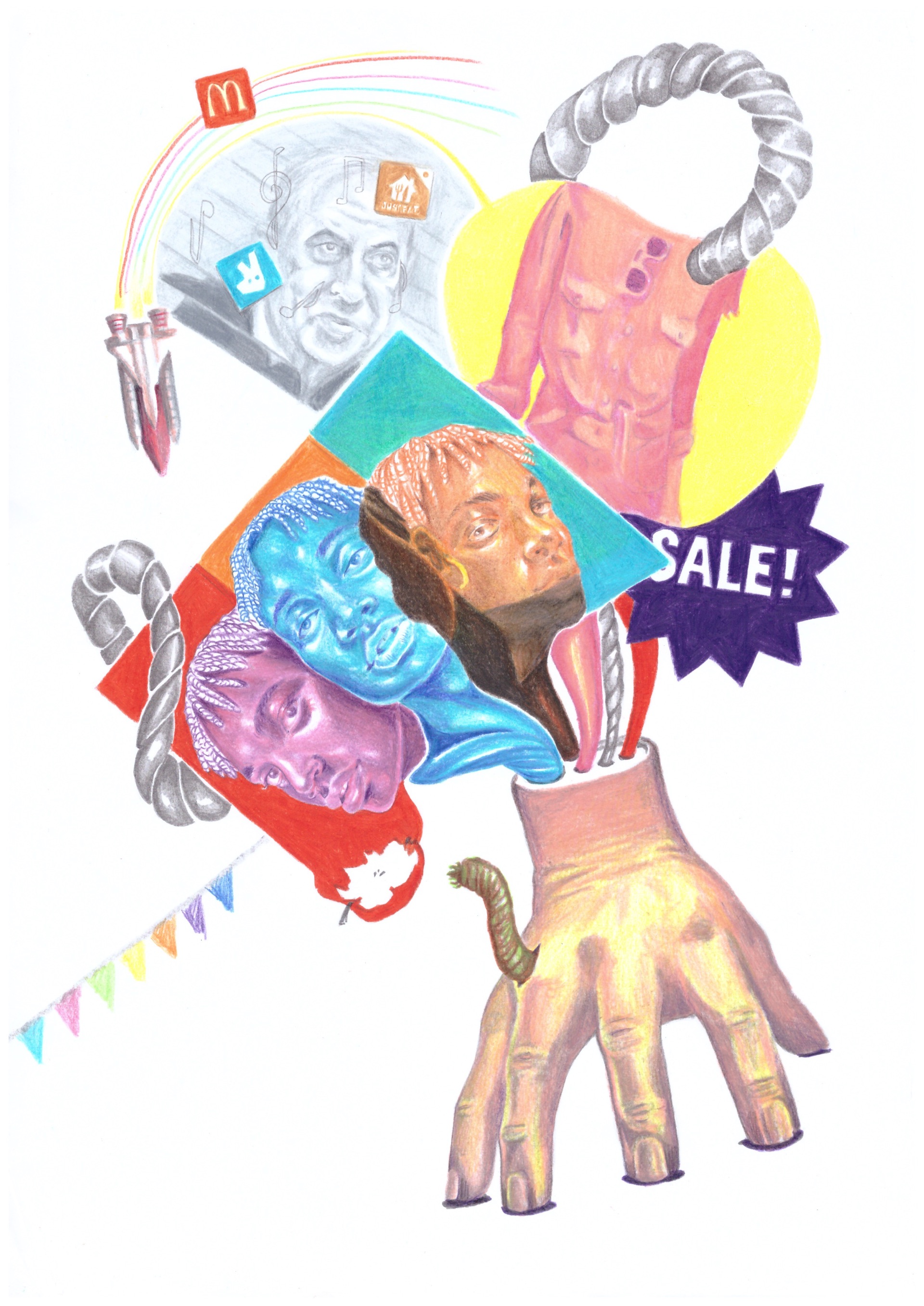
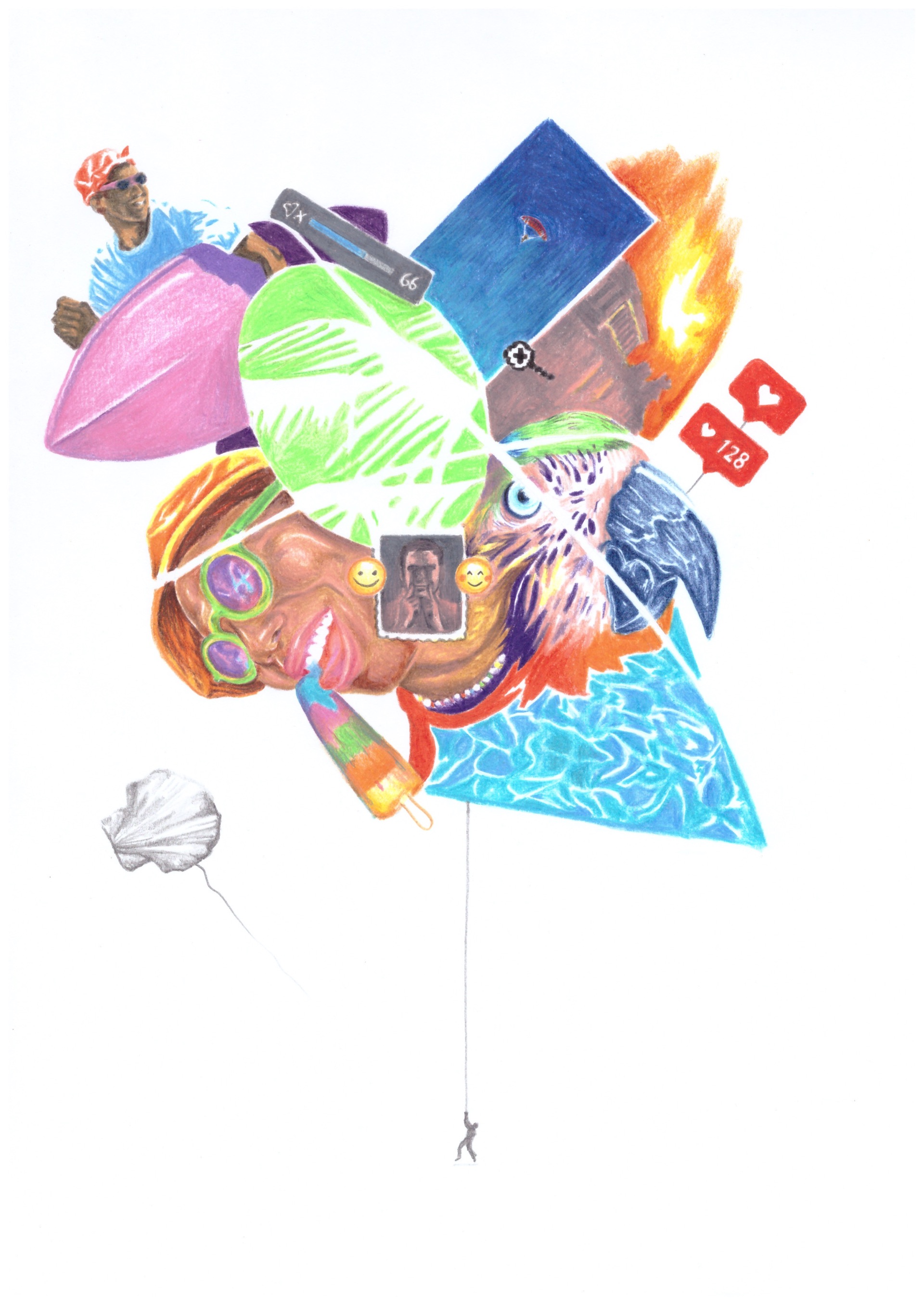
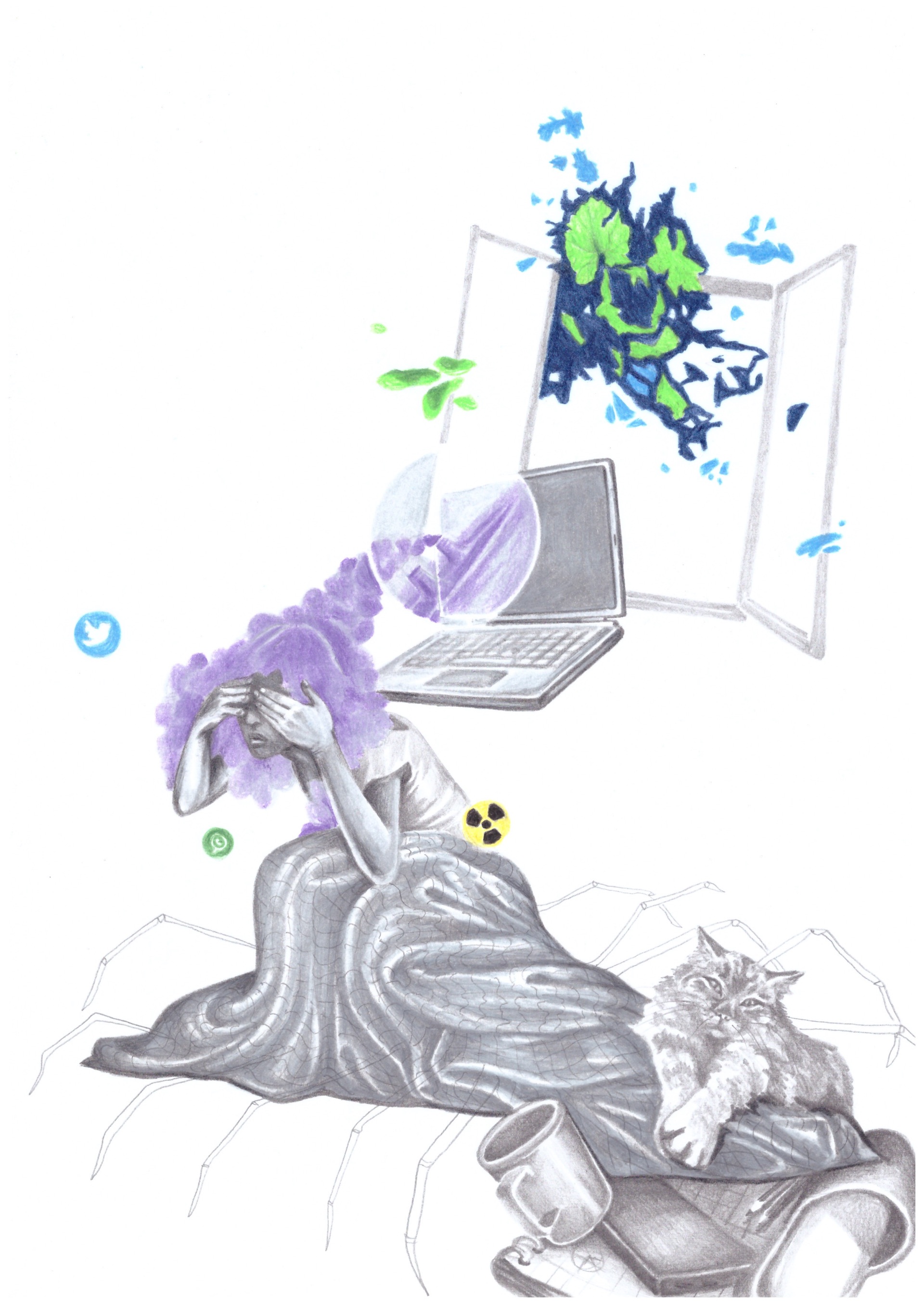
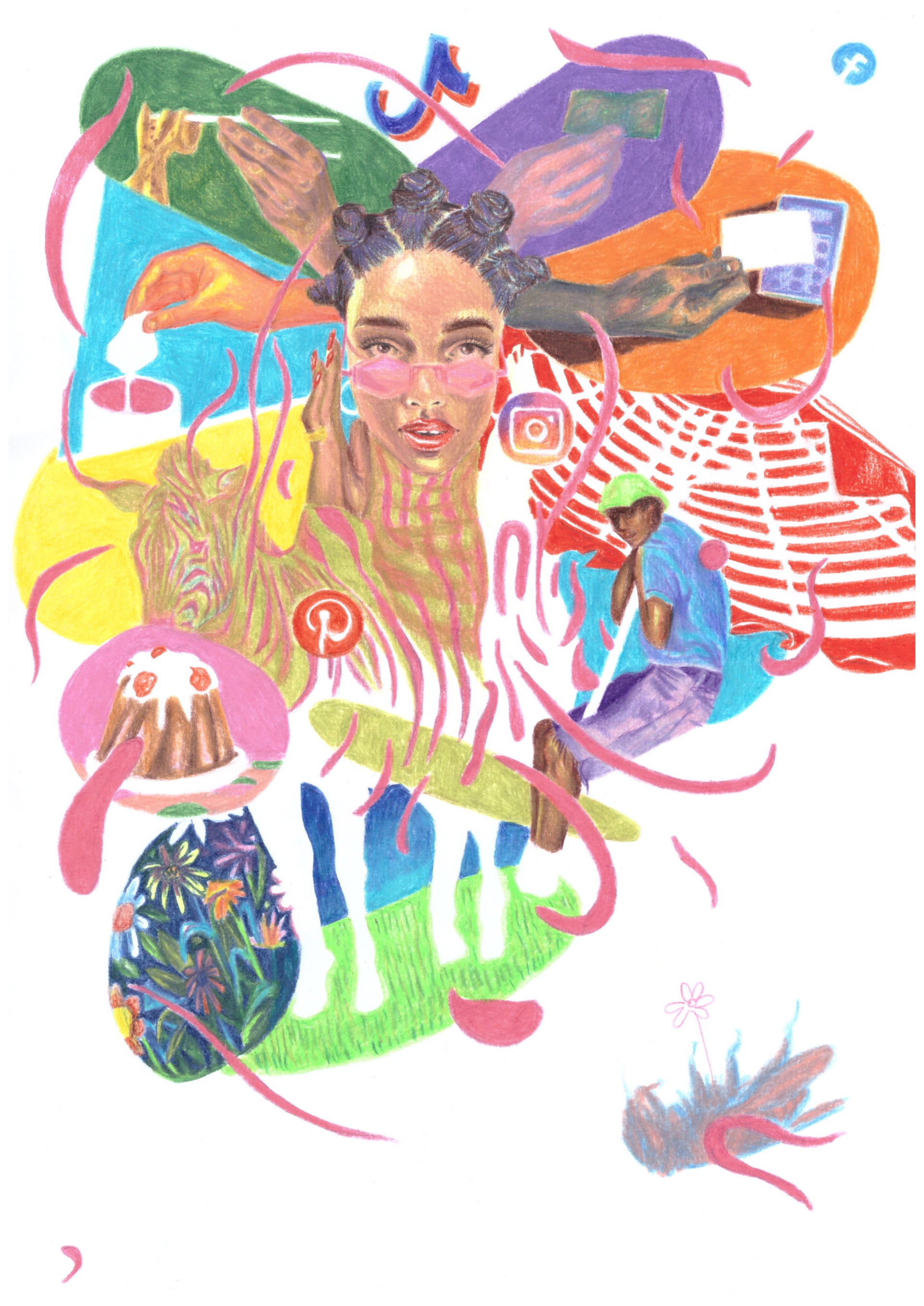
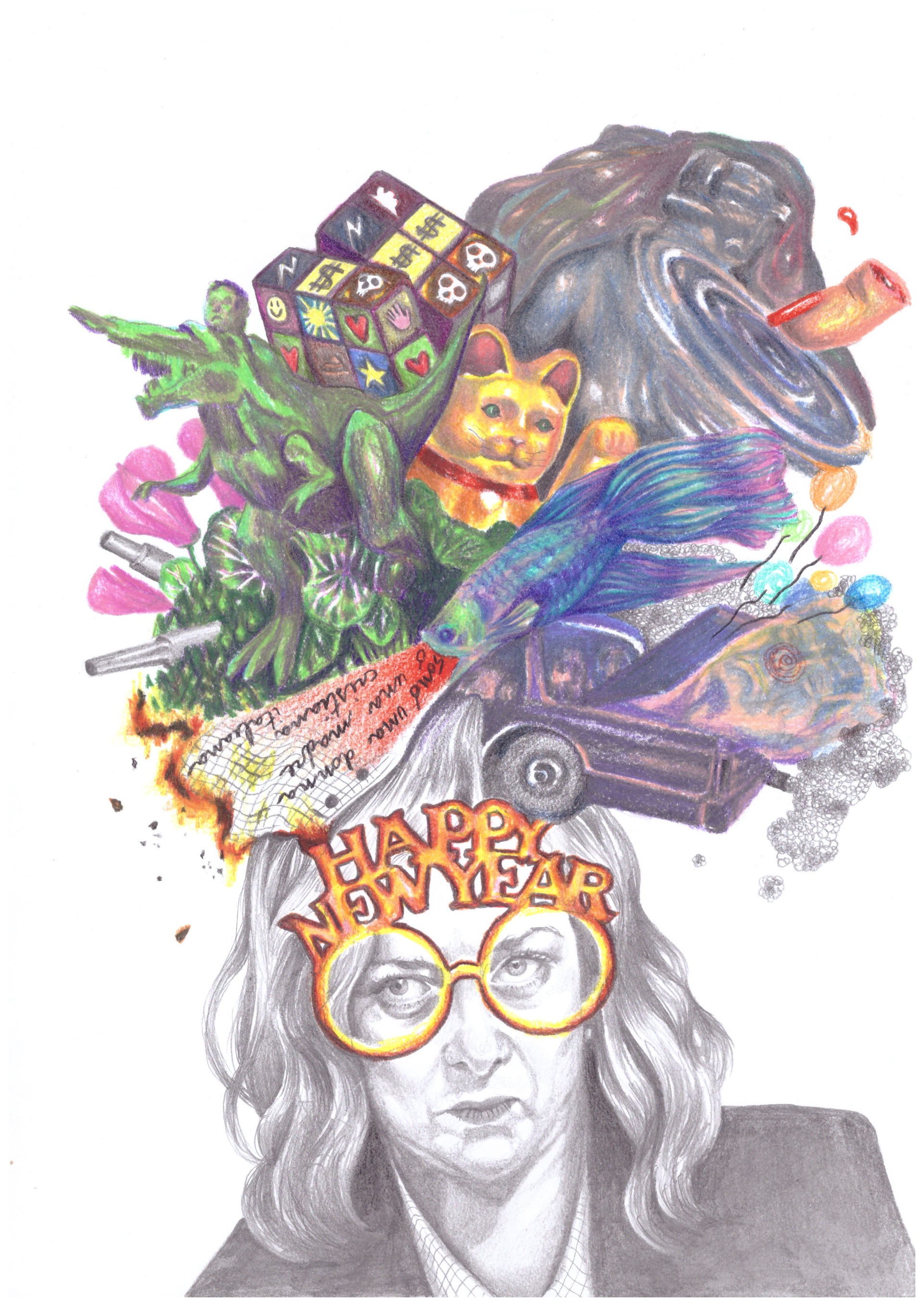
Collection of 12 drawings, mixed media on paper, different sizes, 2024
I have always been fascinated by Medieval Bestiaries, by their insertion of any element in a flat, ornamental, framed background, by the use of bright and luxurious colors, in stark contrast to the fact that the Middle Ages are considered a “Dark Era”.
I have always seen medieval iconography as a powerful narrative. Capable of enchanting through images and communicating depth without having to resort to the third dimension. Its simplicity continues to move me without losing its effectiveness.
I have always been fascinated by the ambition of the Bestiaries to collect all human knowledge without bothering to separate it from what is magical or fantastic: alongside the snake and the horse there are the griffin and the unicorn.
This may seem curious if you compare the Bestiaries to today's encyclopedias of knowledge. But if you compare their language to the graphics we are continually exposed to (through cell phones, computers and televisions) perhaps they might seem much more understandable, and much closer.
The bombardment of images – of certain images – accustoms the gaze to a certain type of vision. The lexicon of colors in the Apps and in media iconography refers to an early childhood palette: shock pink, highlighter yellow, pastel blue. The colors of play, of joy, of lightheartedness. Another chromatic legend, this one, in contrast with the climate of our historical period.
The setting of television programs and advertisements impose a sudden passage of information of an extremely heterogeneous nature: next to the news on the war between Russia and Ukraine there is an advertisement for the best cat kibble; after an episode of crime news here is some gossip about a celebrity. There is a report on the victims of the Israeli - Palestinian conflict followed by an advertisement on holidays in the Maldives; an activist publishes some contents on the environmental disaster next to which there is an App for online shopping at rock-bottom prices; there is a documentary on the great History of the Mediterranean while the news of yet another shipwreck scrolls below on the title bar.
These are just a few examples of this information assembly line.
This Bestiary collects a series of creatures spawn by man's relationship with the Media. Just as medieval fantastic creatures reassemble parts of different animals into a single body, so the creatures of the Media Bestiary are made up of different and contradictory messages captured by news broadcasts, zapping, advertising and Social Media in the space of a few minutes; using the same colors and graphics of the most popular Apps.
The normalization process is a phenomenon that makes certain concepts normal - that is, acceptable and shared - through repetition and inflation; through icons, words, recurring images. That is, through media bombardment. There is a lot of talk about the normalization of violence but I think we should also start reflecting on the normalization of happiness, which represents the other side of the coin. Behind the bright colors, the clothes sales, the dream holiday, the photo with a thousand views there is the promotion of happiness seen as the only standardized individual purpose. Promotions and platforms seem to say: “It's okay! We need to be happy!”. But the happiness they propose is a "normalized" happiness, which ignores violence, denies it, and places itself on a pedestal, far from people's most intimate desires; far from the bitter contrasts that reality continually places in front of us.